AGP Executive Report
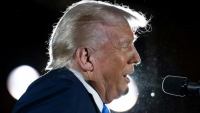
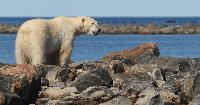
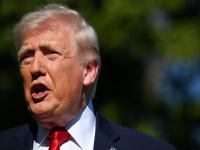
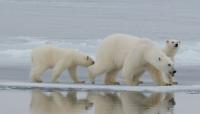
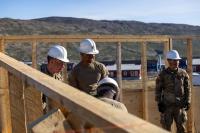
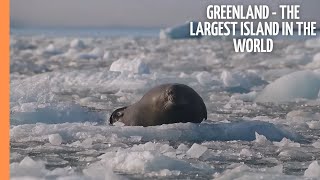
Last update: an hour agoSovereignty Claims: Trump falsely said Denmark had handed Greenland to the US. The recent US-Denmark maritime cooperation deal does not transfer sovereignty and explicitly excludes Greenland. Wildlife Science: Avian flu antibodies were found in 23% of sampled East Greenland polar bears, raising questions about how the virus is reaching wildlife and how bears respond. Ice & Climate: Sediment from Camp Century shows northwest Greenland was ice-free about 416,000 years ago, when summer temperatures were 4.7°C warmer than today and the ice sheet had retreated more than 60 miles. Arctic Connectivity: The EU’s new Arctic strategy backs secure satellite communications and an undersea cable linking Greenland to Europe, alongside stronger maritime surveillance. Resource Exploration: Greenland Energy says it is seeking permits for exploratory drilling in eastern Greenland in 2027.
Note: AI summary from news headlines; neutral sources weighted more to help reduce bias in the result. Feedback is welcome. Please let us know if you have any comments or suggestions about the AGP Executive Report.

 Perspectify News