
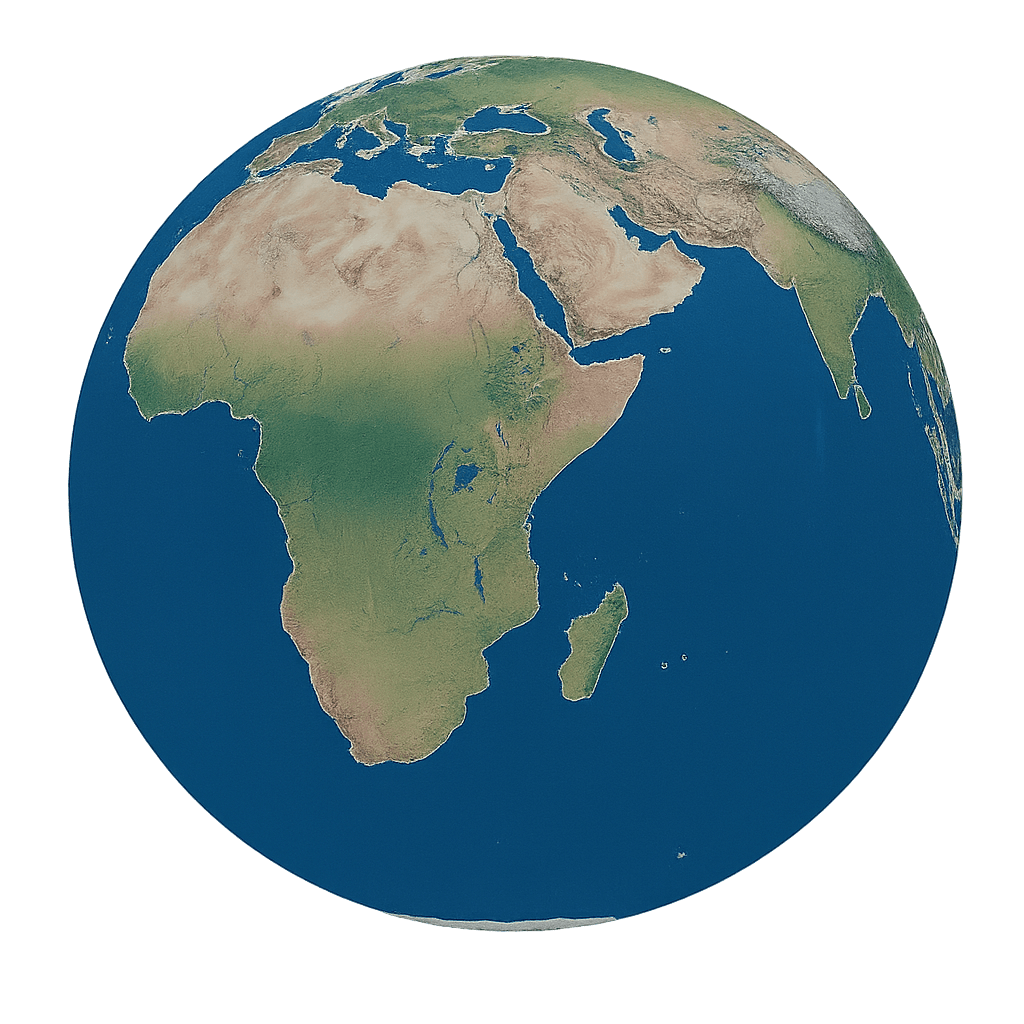
Greenland Energy & sovereignty: Equipment has started arriving in eastern Greenland for Greenland Energy’s Jameson Land exploration, but Greenland says drilling approvals are still missing—turning a permitting dispute into a test of Arctic strategy and Greenlandic control. Arctic security: Estonia’s PM says Arctic security is tied to Europe’s, warning about Russia’s shadow fleet and rising military activity along key routes. EU Arctic pivot: EU leaders meeting in Rovaniemi push for a stronger, more coordinated Arctic strategy as Russia and China step up activity. AI independence: ECB chief Christine Lagarde warns Europe could be cut off from AI and urges building homegrown AI and more datacentres to protect autonomy. Health tech: A lung cancer trial finds brain MRI surveillance without preventive cranial irradiation improves cognitive outcomes, supporting MRI-only care. Energy tech in the North: New research argues solar PV in polar regions is underestimated thanks to long summer daylight, with implications for Greenland-style e-fuel hubs. Maps & tech platforms: The UN backs a new world map approach (Equal Earth) to better reflect Africa’s size, nudging schools and mapping services toward fairer visuals.
AGP Executive Report
Your go-to archive of top headlines, summarized for quick and easy reading.
Note: AI summary from news headlines; neutral sources weighted more to help reduce bias in the result. Feedback is welcome. Please let us know if you have any comments or suggestions about the AGP Executive Report.
Medical Tech: A phase III trial in small-cell lung cancer finds regular brain MRI surveillance without prophylactic cranial irradiation improves cognitive failure–free survival, potentially shifting standard care. Arctic Science: Norway’s Svalbard glaciers are releasing methane from long-trapped pathways as meltwater opens routes to the atmosphere, raising concerns about a warming feedback loop. Greenland & Industry: Greenland Mines says it’s accelerating 2026 field work at Skaergaard and Sarfartoq, including expanded bulk-sample collection and ongoing environmental baselines. EU–Arctic Strategy: European leaders in Rovaniemi push for a stronger, more coordinated EU Arctic role amid Russia and China activity, with emphasis on monitoring, infrastructure, and security. AI Sovereignty: ECB chief Christine Lagarde warns Europe must build its own AI and datacentre capacity to avoid being cut off by US or China. Cartography & Tech: The UN backs the Equal Earth equal-area projection to better reflect Africa’s true size, encouraging schools and tech platforms to update how the world is shown. Canada–EU Pivot: Mark Carney ramps up talks for a “unique alliance” with the EU, aiming to reduce dependence on the US.
AI Sovereignty: ECB chief Christine Lagarde warns Europe risks being “cut off” from imported AI, saying a sudden loss of access could hit borders, taxes, trains, hospitals and bank payments at once—pushing the EU to build its own computing capacity. Arctic Strategy Push: EU leaders met in Rovaniemi to update the bloc’s Arctic approach amid Russian military activity, new shipping routes and rising great-power rivalry, with plans for better monitoring, digital networks, transport links and even space tech. Greenland Critical Minerals Momentum: Greenland Mines says it’s accelerating Greenland projects, forming a Strategic Advisory Board and reporting progress from 2026 field work at Skaergaard and Sarfartoq—aimed at speeding rare-earth and critical-metals development. Canada- EU Pivot: Mark Carney is exploring an “associate” EU arrangement to reduce dependence on the US, targeting energy, AI, critical minerals and defense—partly driven by Trump-era pressure over Greenland and trade. Arctic Security Debate: A new analysis argues seabed warfare is reshaping maritime conflict, pushing states to invest in resilience, distributed sensing and persistent awareness. Mapping & Tech Culture: The UN’s Equal Earth push to correct how Africa is shown is sparking renewed debate about how maps shape policy and public understanding.
Greenland Mining Update: Greenland Mines says it’s ahead on 2026 field work, finishing Skaergaard bulk sampling (104.8 tons from seven sites) and starting structural mapping plus a second year of environmental baselines at Sarfartoq, after its acquisition and high-case rare-earth outlook. Arctic Tech & Materials: Researchers are exploring how to turn toxic arsenic mine waste into metallic arsenic for green-tech supply chains, with Denmark and Greenland-linked geology and engineering teams involved. EU–Greenland Push: EU leaders are moving fast on Greenland cooperation, including a €200m investment package aimed at climate action, connectivity, and fisheries—framed against rising great-power pressure in the High North. Arctic Security: Europe is looking to strengthen its Arctic flank as rivalry with Russia, China, and the US intensifies, with summit plans calling for more resources for mobility, digital connectivity, and satellite capacity. Climate Signals: Oceans logged a 100th straight day of record heat, adding pressure to already fast-changing Arctic and marine ecosystems. Global Context: A UN-backed push to correct world maps is fueling renewed debate about how Greenland and Africa are portrayed—plus more Greenland-linked Trump rhetoric continues to drive headlines.

Greenland & EU-Canada geopolitics: Canada is accelerating talks with Europe to deepen ties as US trade pressure peaks, with options like “associate membership” aimed at closer access to the EU single market in energy, AI, critical minerals and defense—while Trump’s Greenland push is also nudging some European leaders toward tighter cooperation. EU Arctic focus: Europe is preparing a stronger Arctic strategy ahead of a summit in Rovaniemi, with plans for more funding and capabilities for hybrid threats, connectivity and satellite tech as rivalry with Russia, China and the US intensifies. Greenland investment angle: Reports say Trump’s threats to take control of Greenland are already driving a new investment push, and the EU has offered a €200m package plus more direct aid to support climate, connectivity and fisheries. Greenland tech & resources: Greenland Mines says it’s ahead on 2026 field work—completing bulk sampling at Skaergaard and advancing structural mapping and environmental baselines at Sarfartoq. Climate science with Arctic relevance: A new glacier “extinction explorer” warns nearly half of today’s glaciers could vanish by 2100 under +1.5°C warming, underscoring the stakes for Greenland and the wider North.
UN Cartography Update: The UN General Assembly backed an African-led push to encourage more accurate, equal-area world maps, moving away from Mercator’s size distortions that can make Greenland look far closer to Africa than it really is (164 votes for, 1 against). Arctic Security: European leaders are set to meet in Rovaniemi to strengthen the EU’s Arctic flank as Russia, China, and the US compete—covering defense mobility, transport, digital connectivity, satellite tech, and hybrid threats. Greenland & EU Funding: The EU is also boosting Greenland ties with a €200m investment package, framed as support amid rising geopolitical pressure. Climate & Ice Risks: A new study links a major 2025 quake near Jan Mayen to a glacier-burying rock avalanche, with thawing ground likely worsening the collapse. Ocean Heat Watch: The world’s oceans hit a 100-day streak of record average heat, raising stakes for marine life and weather patterns. Local Tech/Mining: Greenland Mines reports progress on 2026 field work at Skaergaard and Sarfartoq, including expanded bulk-sampling and environmental baseline studies.
Arctic Security Summit: European leaders will meet in Rovaniemi, Finland, to push a stronger EU Arctic role as rivalry with Russia, China and the US intensifies, with plans for more funding for mobility, transport, digital connectivity, satellite tech and responses to hybrid threats. Greenland in the spotlight: The same week’s political noise includes fresh attention on Greenland tied to US-Canada tensions and Trump’s social-media map provocations, keeping the island at the center of wider Arctic strategy debates. Greenland mining update: Greenland Mines reported major progress on 2026 field work—bulk-sampling at Skaergaard in East Greenland and structural mapping plus second-year environmental baselines at Sarfartoq in West Greenland—aimed at advancing next technical milestones. Ocean heat watch: Scientists flagged a 100-day streak of record ocean warmth, warning that sustained heat is reshaping marine life and pushing climate impacts further. Cartography and power: The UN’s “Correct the Map” push to encourage equal-area projections is still driving global debate, including how Greenland and Africa are portrayed and why that matters for education and perception. Health tech: New research suggests coronary calcium scans may add the most value for people in borderline or intermediate heart-disease risk groups.
Greenland Resources: Greenland Mines says it’s ahead on 2026 field work, finishing bulk-sampling at Skaergaard (104.8 tons across seven sites) and starting structural mapping plus year-two environmental baselines at Sarfartoq, after a rare-earths push with a high-case valuation. Arctic Climate Tech: New research links melting Svalbard glaciers to a “doom loop,” with ancient methane showing up in glacier-fed rivers at levels up to 425 times expected. Cartography & Power: The UN General Assembly backed a “Correct the Map” push to encourage equal-area projections (like Equal Earth) over Mercator, with the US the only no vote—sparking renewed debate about how map scale shapes education and geopolitics, including Greenland’s visibility. Security Drills: Analysis highlights Operation Atlantic City 26, where US Marines joined British and Norwegian forces on Jan Mayen, underscoring continued Arctic cooperation despite wider political friction. Exploration & STEM: A first tri-service team replicated Nansen’s 1888 Greenland journey, finishing the expedition safely after sailing and a Greenland ski crossing.
Greenland Mines Update: Greenland Mines says it wrapped up 2026 bulk-sampling at Skaergaard (104.8 tons from seven sites) and is already running structural mapping plus year-two environmental baseline work at Sarfartoq, aiming to stay ahead of next technical milestones. Arctic Climate Signals: Scientists report oceans hitting a 100th straight day of record heat, while separate research warns melting Arctic glaciers can release ancient methane via meltwater rivers—fueling a potential “doom loop.” Glacier Futures Tool: A new interactive “Global Glacier Extinction Explorer” lets users check when individual glaciers could vanish under different warming levels, with nearly half potentially gone by 2100 at +1.5°C. Mapping & Tech Policy: The UN’s “Correct the Map” push is driving debate on equal-area projections (like Equal Earth) for schools and digital platforms, with the US the lone no vote and countries raising concerns about disputed territories. Greenland in the Spotlight: A first tri-service team completed a Greenland Nansen-journey replica expedition, and an EU Greenland investment package (€200m) is tied to deepening Arctic ties.
UN Cartography Shake-Up: The UN General Assembly adopted Togo-led “Correct the map” resolution (164–1, with six abstentions) urging governments, schools and tech platforms to use equal-area projections like Equal Earth instead of Mercator, which visually shrinks Africa and can skew how people learn and negotiate. Japan Pushback: Japan protested the new UN world map after it showed the disputed Kuril Islands as part of Russia, demanding a correction. Arctic Climate Warning: New research links melting Svalbard glaciers to a methane “doom loop,” finding methane in glacier-fed rivers at levels up to 425 times what’s expected from contact with the air. Greenland Ice Watch: NASA/ESA tracking shows a massive Petermann Glacier iceberg survived a collision with Joe Island and continues drifting through Nares Strait. Greenland Mining Update: GreenRoc extended graphite mineralisation at its Amitsoq project in South Greenland by about 100–150 metres north-northwest, adding drill data for future evaluation. Arctic Infrastructure & Trade: A China-Europe “Polar Silk Road” container service via Russia’s Northern Sea Route cut voyage time nearly in half, though it remains seasonal and risk-dependent.
Greenland Energy & oil history: Greenland Energy says it won’t drill this winter in Jameson Land after a ministry reprimand over equipment brought ashore without permission, while a new timeline reminds readers that decades of exploration (ARCO, Chevron, Shell, ExxonMobil, Statoil, Cairn) have yet to land a commercial discovery. Arctic ice hazards: A massive Petermann Glacier calving event survived a collision with Joe Island and continues drifting through Nares Strait, giving scientists another real-world read on glacier stability and sea-level risk. Mining update: GreenRoc extended known graphite mineralisation at its Amitsoq project in South Greenland by about 100–150 metres north-northwest, with Phase III drilling refining the model for future mine planning. Climate science: A new study links Arctic warming to “feedback loops” that could boost global heating by 20–30% by century’s end, and separate work reports ancient methane released as Arctic glaciers melt. Tech & policy: The UN backed the “Correct the Map” push for equal-area projections (Equal Earth), with 164 votes in favour—an effort that could affect how schools and digital platforms present Africa’s true size.
Climate Threshold Warning: A UN-linked analysis says the world is drifting toward about 1.8°C warming, with tipping points like Greenland ice loss and thawing permafrost raising the risk of runaway feedbacks. Arctic Shipping: A Chinese container ship completed a faster Asia-Europe run via Russia’s Northern Sea Route, cutting transit time nearly in half—though the service stays seasonal and dependent on Russian support. Greenland Ice Watch: NASA imagery captured a massive 29-square-mile iceberg calving from Petermann Glacier and surviving a collision with Joe Island, a reminder of how Greenland’s marine glaciers can reshape sea-level risk. UN “Correct the Map”: The UN General Assembly backed the Equal Earth push to show Africa’s true scale more fairly, with 164 votes for and the US voting no—sparking debate over how maps influence power and perception. Greenland Energy Push: A Trump-linked firm says it will merge to speed up development of East Greenland drilling rights in the Jameson Land Basin. US-Canada Trade Fallout: The US and Canada trade war escalated with bans and countertariffs, while Europe quietly moves closer to Canada amid the dispute.
Greenland Energy Deal: Texas-based Greenland Energy says it will merge with UK drilling-rights holder 80 Mile to speed development in East Greenland’s Jameson Land Basin, pitching up to $1T in potential oil and aiming to streamline financing and ownership. EU–Greenland Tech Push: EU Commission President Ursula von der Leyen’s Greenland visit comes with a €200m 2026–27 package (and more proposed later) to back critical resources, renewables, infrastructure and digital technologies—framed as support amid U.S. pressure. Arctic Climate Science: A new study links Arctic glacier melt to a “cloud factory” over Greenland waters and another finds permafrost thaw can amplify disasters, including an earthquake-triggered rock avalanche on Jan Mayen. Cartography Meets Politics: The UN General Assembly backed the Equal Earth map approach to better reflect Africa’s true size, while the U.S. voted no—an issue that also tangles with how Greenland and the Arctic are perceived on mainstream maps. North Atlantic Tensions: Trump’s social-media map shading Greenland and Iceland as part of the U.S. sparked diplomatic backlash, with Denmark and Iceland summoning ambassadors.
UN Cartography Push: The UN General Assembly backed Togo’s “Correct the Map” resolution (164–1) encouraging governments, schools and tech firms to use more accurate equal-area projections like Equal Earth, aiming to stop maps from making Africa look smaller than it is; the US was the lone no vote. EU–Greenland Tech & Resources: EU Commission President Ursula von der Leyen visited Nuuk to announce a €200m 2026–27 partnership package with Greenland, including support for digital connectivity and research, plus work with Tusass on enhanced satellite internet. Arctic Climate Science: A University of the Arctic Norway study reports glacier melt in Svalbard can release ancient methane, with concentrations up to 425 times higher than normal. Permafrost Risk: A PNAS study links a 2025 Jan Mayen earthquake-triggered rock avalanche to thaw-weakened permafrost, showing warming can amplify disaster impacts. North Atlantic Tensions: Trump’s social-media map claiming parts of North America under the US flag sparked diplomatic backlash, with Iceland summoning the US ambassador and Denmark calling it inappropriate. Greenland Industry: Greenland Mines hit major corporate milestones after its Sarfartoq rare-earth acquisition, setting up a biotech spin-off for Q4 2026 while sharpening its rare earth and critical minerals focus.
Arctic Connectivity Boost: Tusass says EU-backed Enhanced Satellite Connectivity will deliver more robust internet for Greenland, aiming to strengthen security and preparedness. EU–Greenland Investment Push: EU Commission President Ursula von der Leyen announced a €200M Global Gateway partnership package for Nuuk, covering satellite and cable connectivity, renewable energy, housing, education, and support for critical raw materials and research. Rare Earths Meets Capital Markets: Greenland Mines says Nasdaq has approved its transaction application, it’s now fully compliant, and it plans a Q4 2026 biotech spin-off while sharpening focus on rare earths and critical minerals. Climate Risk, Measured in Ice: A PNAS study links a 2025 Jan Mayen earthquake-triggered rock avalanche to thawing permafrost, showing warming can quietly amplify Arctic disasters. Mapping, But Make It Fair: The UN General Assembly backed the Equal Earth projection (164–1) to better reflect Africa’s true size, with the US the lone no vote—an issue Greenland readers may feel as global map standards shift.
Arctic EU Boost: EU Commission President Ursula von der Leyen announced a €200m Global Gateway package for Greenland, with plans spanning education, fisheries, better satellite/cable connectivity, hydropower, critical raw materials, plus housing and support for small businesses. Greenland Security Context: The funding comes amid renewed U.S. pressure over Greenland’s territorial integrity, with EU leaders stressing Greenland’s future should be decided by Greenland and Denmark. UN Maps, Real-World Scale: The UN General Assembly backed the “Correct the Map” push, encouraging wider use of equal-area projections like Equal Earth so Africa isn’t visually shrunk by Mercator; the vote was 164–1 (U.S. against) and is non-binding. Climate Warning for the Arctic: The UN says the world is approaching a critical warming threshold, with El Niño intensifying risks—raising stakes for Greenland’s ice and Arctic weather impacts. Arctic Hazards Research: A study highlights how thawing permafrost can turn earthquakes into cascading slope and glacier disasters, underscoring compounding climate-driven risk in the far north.
EU–Greenland Security Push: EU Commission chief Ursula von der Leyen is in Nuuk to reassure Greenland and Denmark amid renewed US threats over control of the island, announcing an extra €200m investment over two years to deepen ties in connectivity, clean energy, education, fishing, and access to raw materials. UN Cartography Shift: The UN General Assembly backed the “Correct the Map” resolution (164–1) urging governments, schools, and tech firms to use equal-area projections like Equal Earth instead of Mercator when relative land size matters—sparking knock-on changes for map publishers and digital map providers, while keeping Mercator for navigation. Climate Warning for the Arctic: The UN says the world is nearing a critical 1.5°C threshold as El Niño intensifies risks, with potential tipping-point impacts including faster Greenland ice loss and changes to Atlantic circulation.
UN Cartography Push: The UN General Assembly backed Togo’s “Correct the Map” resolution (164–1) urging governments, schools and tech firms to use equal-area projections like Equal Earth instead of Mercator when relative land size matters—sparking fresh debate over how Greenland and other high-latitude regions look on global maps. Arctic Security & EU Ties: EU Commission President Ursula von der Leyen arrives in Nuuk for talks and a joint EU-Greenland declaration, with Brussels proposing higher aid and framing Greenland as key to Arctic security, connectivity and critical raw materials amid US interest. Greenland Ice & Ocean Science: New Arctic research highlights warm Atlantic water reaching deep into East Greenland fjords, with narwhal-mounted sensors showing how salty currents can erode glaciers from below. Climate Hazard Watch: A major Himalayan glacier-related disaster underscores how “ice bombs” and rapid glacial collapses are becoming more common as warming destabilizes high-altitude ice. Defence Tech Governance (OpEd): A proposal argues Europe needs faster, more connected defence procurement—governments acting as “orchestrators” linking forces, startups, universities and investors to keep up with tech changing in months.
UN Cartography Shake-up: The UN General Assembly adopted Togo’s “Correct the Map” resolution (164-1, six abstentions) urging governments, schools and tech firms to use equal-area projections like Equal Earth instead of Mercator, which exaggerates polar land sizes—so Africa no longer looks “compressed” next to places like Greenland. Greenland Angle: Greenland’s familiar “near-continent” look on Mercator is exactly what the vote targets, even though the change is non-binding and doesn’t ban Mercator for navigation. France Updates Diplomatic Maps: France says it will drop Mercator for its foreign ministry’s official maps, switching to the Eckert IV projection. India Draws a Line: India voted in favour of equal-area mapping but stressed it does not endorse any specific depiction of borders, including J&K and Ladakh. Arctic Science Signal: Narwhals tracked warm Atlantic water reaching deep into East Greenland fjords, pointing to glacier erosion from below. EU Eyes Greenland: European Commission President Ursula von der Leyen is visiting Greenland to strengthen EU support for the Danish autonomous territory amid Arctic security and critical raw materials plans.
UN Cartography Shift: The UN General Assembly backed Togo’s “Correct the Map” push, urging wider use of equal-area projections like the 2018 Equal Earth map instead of Mercator—passing 164-1 (with the U.S. the lone no vote) to better reflect Africa’s true relative size; the move is non-binding and doesn’t ban Mercator for navigation, but it could ripple into school materials, media graphics, and mapping tools. Greenland Science Spotlight: A new remote-vehicle dive captured striking footage of a rare ocean ecosystem at the edge of Greenland’s Naajat Sermiat glacier, helping researchers track how meltwater behaves as glaciers retreat. EU–Greenland Security Push: EU Commission chief Ursula von der Leyen is set to visit Greenland to reinforce Arctic ties and back EU investment and aid aimed at boosting security and cooperation in the region. Arctic Power & Routes: Coverage highlights intensifying Arctic competition and how new shipping links via the far north are reshaping trade and geopolitics. Science Culture: A book review looks at how real scientific work often feels less like “Eureka” and more like getting lost—relevant for Greenland’s field-research community.
Sign up for:
Tech Today Greenland
The daily local news briefing you can trust. Every day. Subscribe now.
Check Your Email!
We sent a one-time activation link to: .
Confirm it's you by clicking the email link.
If the email is not in your inbox, check spam or try again.
Welcome back!
is already signed up. Check your inbox for updates.